
Spurring conflict: Venezuela and the US thirst for foreign oil

8 hours ago 8

US seizure of Venezuelan oil tanker has only added to accusations that Americans have long used their military to protect their oil interests abroad.

 Venezuela and the US thirst for foreign oil

Published On 15 Dec 2025

History Illustrated is a series of perspectives that puts news events and current affairs into historical context, using graphics generated with artificial intelligence.

 Venezuela and the US thirst for foreign oil

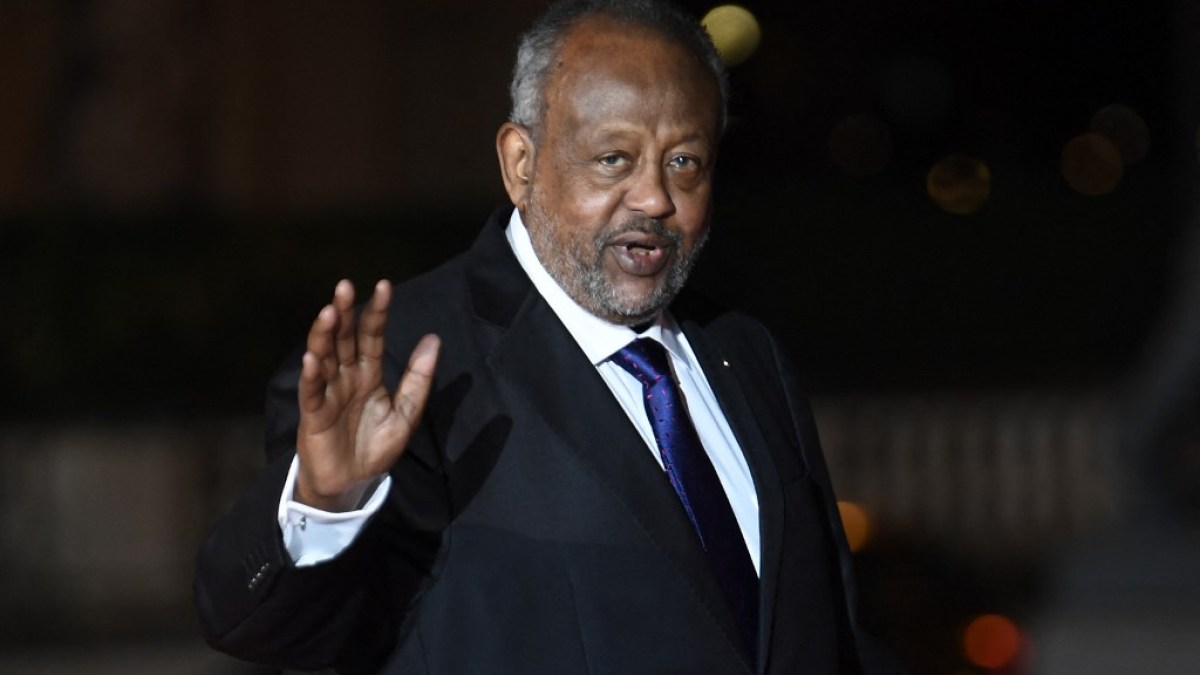
For Venezuelan President Nicolas Maduro, knowing the world's largest aircraft carrier, the USS Gerald R Ford, is off his coast can't be a good feeling. And while some would welcome the military overthrow of a man they consider an authoritarian, others see US imperialism at work, motivated by Venezuela having the largest proven oil reserves in the world.

 Venezuela and the US thirst for foreign oil

In 2015, the Peace Research Institute Oslo noted how "oil-thirsty" nations are more than twice as likely to intervene in a civil war in an oil-producing state, than an oil-exporting country is likely to intervene in a country that lacks oil. And while oil isn't always the sole motivating factor for a military intervention, it often plays a big role.

 Venezuela and the US thirst for foreign oil

In 1953, for example, the CIA and MI6 helped topple the democratically elected prime minister of Iran, Mohammad Mosaddegh. It followed Mossadegh's decision to nationalise the Anglo-Iranian Oil Company, now British Petroleum.

 Venezuela and the US thirst for foreign oil

During the Iran-Iraq war in the 1980s, the US sided with Iraq and also protected oil shipments in the Gulf. The US saw the conflict as an opportunity to keep Iran in check, while it ensured the oil kept flowing.

 Venezuela and the US thirst for foreign oil

With Operation Desert Storm in 1991, the US intervened in Kuwait to expel Iraq's occupying forces as well as defend Saudi Arabia. Both Kuwait and Saudi Arabia are major oil producers. Again, oil was widely seen as a US strategic interest.

 Venezuela and the US thirst for foreign oil

In 2002, Venezuelan President Hugo Chavez survived a coup. The US is accused of giving its tacit approval by failing to prevent the coup despite knowing about it in advance. Again, critics blamed an American thirst for oil.


 Venezuela and the US thirst for foreign oil

A year later, in the wake of 9/11, the US invaded Iraq, citing Saddam Hussein's weapons of mass destruction. They were never found. While the US promoted the spread of democracy as a motive for the war, it was later revealed that the US had drawn up plans for Iraq's oil.

 Venezuela and the US thirst for foreign oil

Then in 2011, the US and the UK launched the opening missile salvoes that would help NATO overthrow the leader Muammar Gaddafi in Libya. It was done under a UN resolution to protect civilians, but people like Dina Mansour-Ille, at the Royal United Services Institute, note it "raises questions as to why the international community responded so quickly and forcefully in the oil-rich nation".

 Venezuela and the US thirst for foreign oil

Today, US forces are massing off the coast of Venezuela, with the Trump administration insisting it's about curtailing the flow of illegal drugs. Critics remain unconvinced. Instead, they see another oil-rich country about to be subjected to yet another US military intervention.

Read Entire Article
International | | | |